




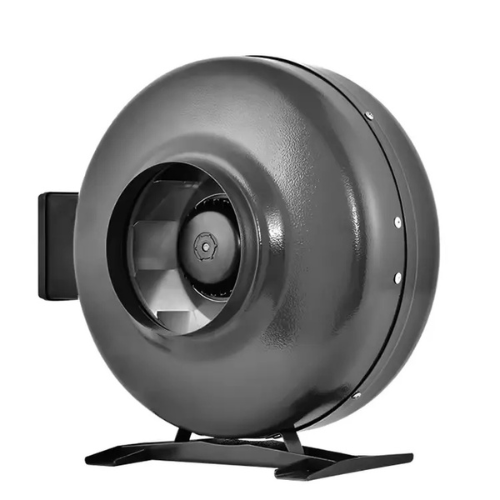
Circular Inline fans
Circular inline fans are ideal for commercial and industrial ventilation in toilets, bathrooms, cafeterias, laundry rooms, hotel service areas, and office spaces. Designed for ducted systems that demand high air volumes and stable pressure, they move air efficiently through long or complex duct runs.
Marut Air, a renowned Circular Inline Fans Manufacturer in India, supplies a wide range of high-performance models to meet diverse ventilation requirements with dependable airflow, low noise, and robust construction.
As a leading Mixed Flow Inline Fans Manufacturer in India, Marut Air delivers solutions that combine the strengths of axial and centrifugal designs—powerful airflow, higher static pressure capability, and quieter operation. Engineered for efficiency and reliability, our inline fans suit a wide variety of ventilation applications. Contact us to discuss a model that fits your airflow and ducting needs.
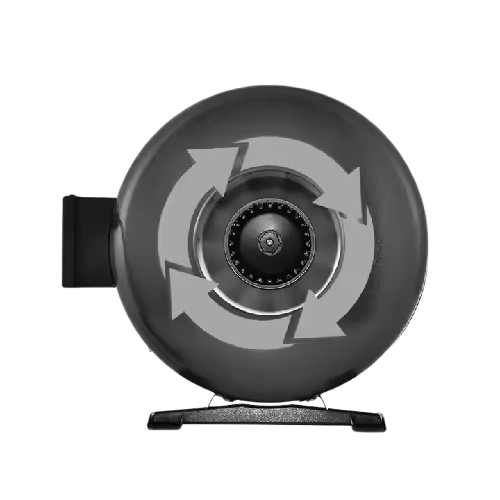

Housing made from quality deep-stretch cold-rolled steel

Fire-rated connector box

Motor protection: IP44

Motor insulation Class F for continuous duty

Permissible ambient temperature: −20°C to +60°C

High-quality bearings, maintenance-free

Size range: 100 to 315 mm diameter

Low noise, low vibration, high efficiency, safe operation

GI powder-coated / CRCA powder-coated finish

Airport
Auditorium

Hospitals

Hotels
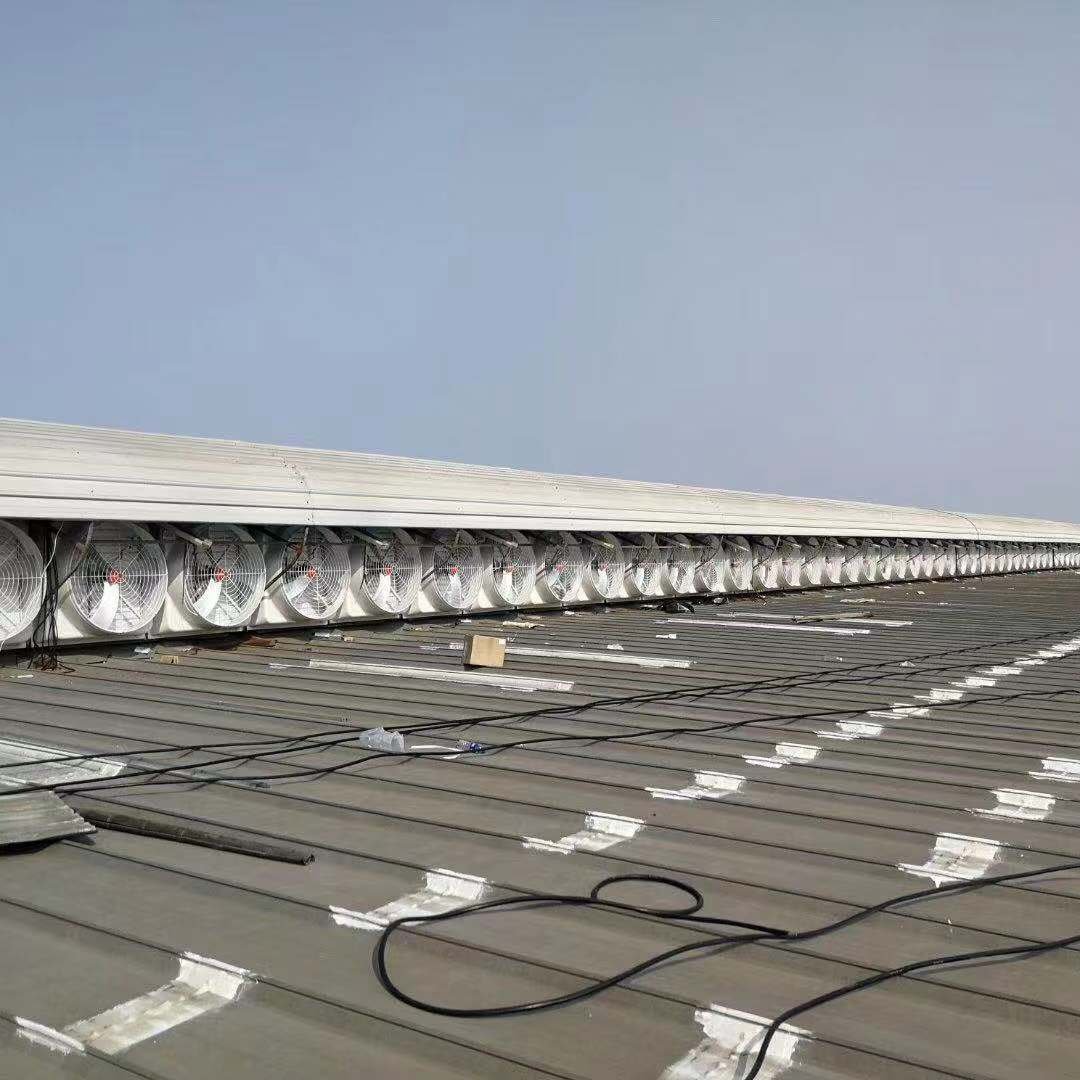
MCI Series.jpeg

Offices

Toilets

commercial

hospitals

hotels
mci series

office

toilet
A circular inline fan is installed inside round ducts and either pulls or pushes air through the system to maintain healthy airflow across a building. Unlike wall or ceiling fans, its in-line position keeps air moving through long duct runs. The compact, round form fits neatly in tight spaces and across a wide range of duct sizes.
Which Applications Make Circular Inline Fans Useful?
These fans remove moisture and odours to prevent mould in bathrooms and toilets, and they extract heat, smoke, and fumes in kitchens—both domestic and commercial.
- Laundry Rooms: Maintain fresh air and regulate humidity.
- Cafeterias & Dining Areas: Keep air clean and comfortable for visitors.
- Offices & Commercial Spaces: Provide general ventilation for a healthier work environment.
- Industrial Areas: Remove dust, fumes, and excess heat in factories or workshops; integrate with HVAC for efficient distribution. Hotels can deploy them in kitchens, restrooms, and guest rooms to maintain consistent air quality.
- Damp or Humid Environments: Effective even in high humidity, such as spas or basements.
The Internal Workings Of A Circular Inline Fan.
Here’s how a circular inline fan operates:
- Air Intake: The fan sits within a circular duct and draws air from one end when powered on.
- Impeller Action: A motor-driven impeller (propeller-like wheel) moves air efficiently. Its rotation creates a pressure difference that drives air through the duct to the outlet, helping remove stale air or circulate fresh air. Modern motors often include thermal overload cut-off for protection.
- Noise Reduction: Aerodynamic casings and impellers keep sound levels low for homes and offices. Mixed-flow designs blend centrifugal (pressure) and axial (straight-through flow) benefits for quiet, efficient performance in long or complex duct systems.
Important Characteristics Of Circular Inline Fans.
Why circular inline fans are popular:
- High Airflow & Pressure: Moves large air volumes even through long ducts or high resistance.
- Low Noise Levels: Engineered for quiet operation in homes, workplaces, and hotels.
- Durable Construction: Housings in premium plastic or galvanized steel for long life and corrosion resistance.
- Wide Size Range: Typically 100–315 mm diameters to suit different duct sizes and airflow needs.
- Motor Protection: Commonly IP44 with thermal overload protection for safety and reliability.
- Easy Installation & Maintenance: Quick mounting and straightforward access for cleaning.
- Energy Efficient: Strong performance with low power consumption.
- Accessories: Options such as grilles, speed controllers, and back-draft shutters to prevent reverse airflow.
- In conclusion, circular inline fans are a smart, reliable choice for ventilation across homes, offices, hotels, and factories—combining strong performance, quiet operation, and simple installation.


| Model | A | B | C | D | E | F | G |
|---|---|---|---|---|---|---|---|
| MCI 100 | 100 | 23 | 195 | 242 | 23 | 283 | 308 |
| MCI 125 | 125 | 25 | 195 | 242 | 25 | 283 | 308 |
| MCI 150 | 150 | 27 | 230 | 332 | 27 | 373 | 398 |
| MCI 160 | 160 | 27 | 120 | 332 | 27 | 373 | 398 |
| MCI 200 | 198 | 35 | 230 | 332 | 30 | 373 | 398 |
| MCI 250 | 248 | 35 | 215 | 332 | 30 | 373 | 398 |
| MCI 315 | 315 | 40 | 258 | 402 | 30 | 442 | 467 |
| Model | Size, mm | Freq-cy, Hz | Air flow,(CMH) | Air flow,(CFM) | Power, W | Current, A | Speed (RPM) | Voltage, V | Noise (dBA) | Net Weight (Kg) |
|---|---|---|---|---|---|---|---|---|---|---|
| MCI 100 | 100 | 50/60 | 306 | 180 | 55 | 0.21 | 2350 | 1 ~ 230 | 60 | 2.9 |
| MCI 125 | 125 | 50/60 | 383 | 225 | 80 | 0.37 | 2650 | 1 ~ 230 | 65 | 3.2 |
| MCI 150 | 200 | 50/60 | 816 | 480 | 92 | 0.4 | 2400 | 1 ~ 230 | 69 | 4.4 |
| MCI 160 | 250 | 50/60 | 944 | 555 | 105 | 0.45 | 2650 | 1 ~ 230 | 72 | 4.9 |
| MCI 200 | 300 | 50/60 | 1097 | 645 | 135 | 0.55 | 2350 | 1 ~ 230 | 73 | 5.0 |
| MCI 250 | 350 | 50/60 | 1122 | 660 | 135 | 0.58 | 2350 | 1 ~ 230 | 74 | 5.0 |
| MCI 315 | 400 | 50/60 | 1785 | 1050 | 240 | 1.1 | 2650 | 1 ~ 230 | 80 | 8.0 |
Match the airflow required for your room (CFM or m³/h) and your duct diameter. Larger spaces, longer ducts, or multiple fittings typically need higher-capacity models.
Modern models are engineered for low sound levels. Aerodynamic casings and impellers help keep operation quiet—suitable for offices and bedrooms.
Yes. They are commonly used in humid environments and feature materials and motor protection that resist moisture and corrosion.
Maintenance is minimal. Clean the impeller and check ducts for dust or obstructions every few months to maintain peak performance.
No. They deliver strong airflow with comparatively low power consumption, making them economical for continuous or frequent use.
Housings are typically high-grade plastic or galvanized steel; impellers may be plastic or metal depending on model and size.
Basic DIY installation is feasible, but we recommend a licensed electrician for wiring and controls to ensure safety, compliance, and optimal performance.